
Introduction
People rely on online reviews when deciding whether to buy a product or use a business's services. Because those reviews carry so much weight, businesses have tried many tactics to collect more positive feedback. Review platforms have introduced policies intended to protect people's trust in that feedback, including rules against review gating.
So, what exactly is review gating, and can a dental practice still use it?
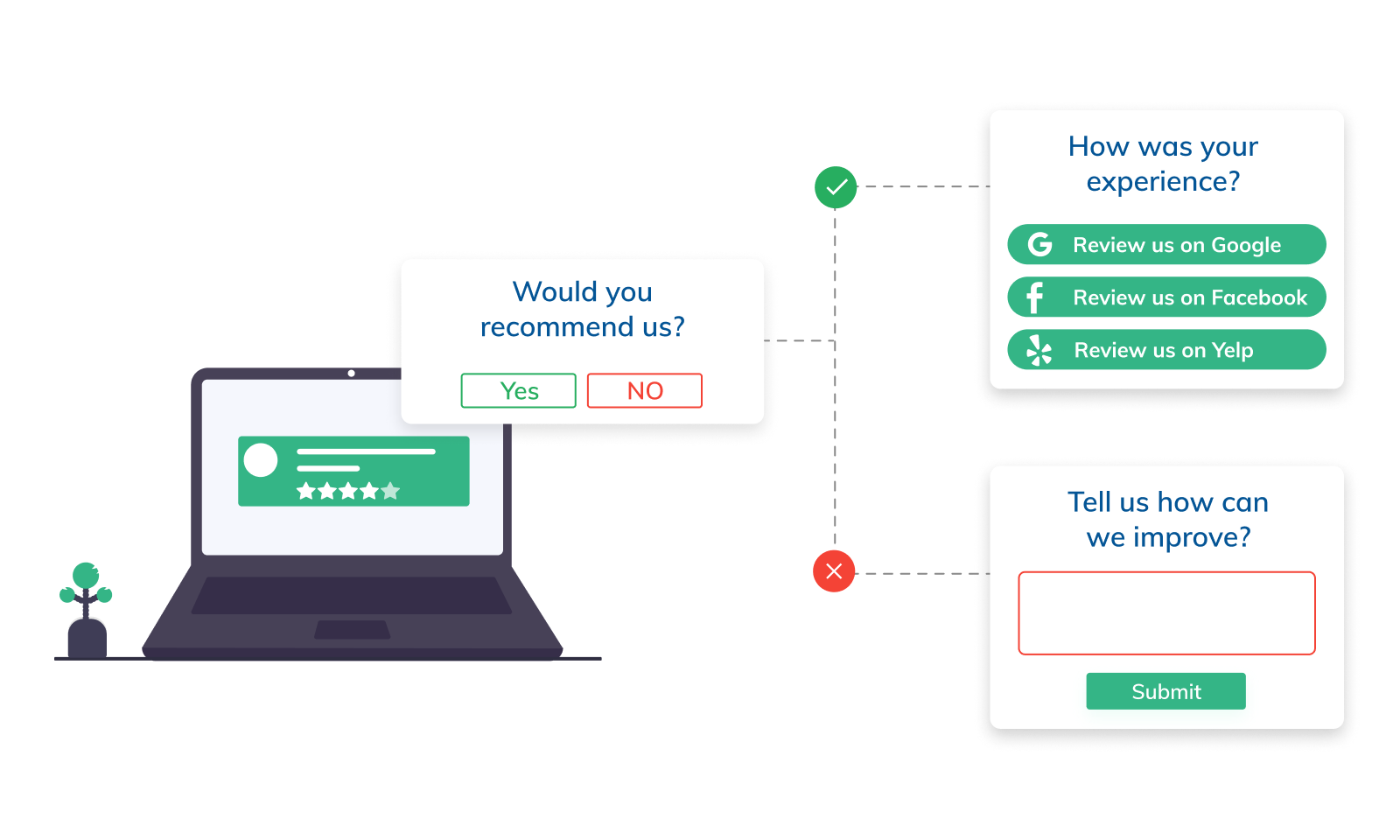
Review Gating: An Overview
Review gating is the process of collecting feedback from patients about their experience before asking for a public review. Only patients who respond positively are then directed to Google, Facebook, or another review website. The goal is to accumulate only positive reviews on the practice's public profiles.
Can I Still Do Review Gating?
Review gating has been against Google Business Profile guidelines for some time. Google may remove reviews from businesses reported for using review gating. In some reported cases, businesses lost a substantial portion of their reviews, including reviews collected over several years.
How Can I Get Positive Reviews for My Dental Practice?
Having a strong online reputation is important for growing a successful dental practice. You do not need to filter patients to build one.
- Provide a consistently good patient experience. Take care of patients, listen to their concerns, and make it easy for them to raise an issue directly with your team.
- Ask every patient for honest feedback. Let patients know you will send a review request after their visit, and give everyone the same opportunity to respond.
- Make the request easy to complete. A short text message with a direct review link reduces friction without influencing what the patient chooses to write.
The better approach is simple: take good care of patients, ask consistently, and let their honest experiences speak for your practice.
Conclusion
Trust is essential to patient relationships and to your practice's reputation. Review gating is not required to build a strong online presence. Keep your review process unbiased so prospective patients can see a more accurate picture of the experience your practice provides.
Taking good care of patients and consistently asking for honest reviews is more genuine, more sustainable, and better aligned with the purpose of public review platforms.
Build a fair, consistent review process
See how PracticeDilly can help your team request patient feedback without review gating.
Explore Reputation Management